
Products
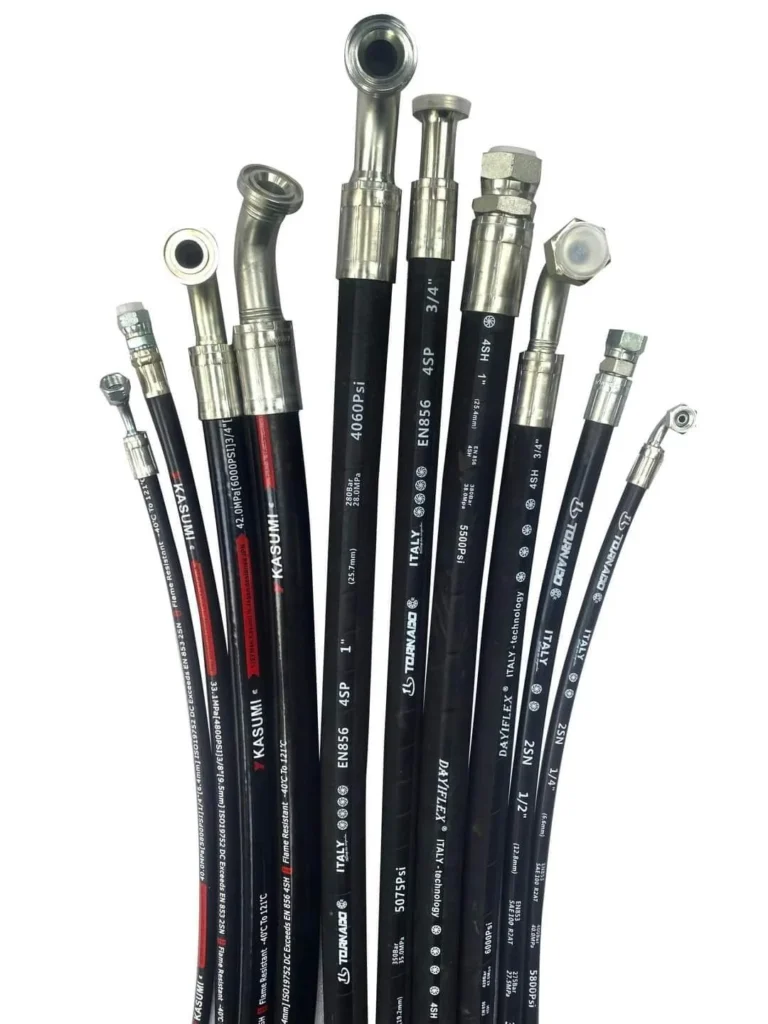
Inner Tube: CR Synthetic Tube
Cover: CR Synthetic Tube
Reinforcement: Four Spiral Steel Wire.
Temperature.Range: 40°F to +212°F (-40°C to +100°C).
Application: These hose has higher working pressure under the same working temperature. Four Layers of high-tensile spiral wire provide the hose with the best abrasion resistance and impulse fatigue resistance. Therefore, these hoses are used in oil field services, paving, road maintenance, automotive, construction, Ground and building maintenance, ground support equipment, material handling, Etc.
|
Hose I.D
|
Hose I.D
|
Hose ROD
|
Hose O.D
|
Working Pressure
|
Working Pressure
|
Minimum Bend radius
|
Minimum Bend radius
|
Weight
|
Weight
|
|---|---|---|---|---|---|---|---|---|---|
|
inch
|
mm
|
mm
|
mm
|
psi
|
MPa
|
inch
|
mm
|
lbs/ft
|
kg/m
|
|
3/4
|
19.0
|
28.4
|
32.0
|
6000
|
42.0
|
11.0
|
280
|
1.01
|
1.54
|
|
1
|
25.4
|
35.2
|
39.0
|
5500
|
38.0
|
13.5
|
340
|
1.34
|
2.03
|
|
1-1/4
|
31.8
|
41.9
|
45.3
|
4700
|
32.5
|
18.0
|
460
|
1.61
|
2.45
|
|
1-1/2
|
38.1
|
48.8
|
53.3
|
4200
|
29.0
|
22.0
|
560
|
2.06
|
3.13
|
|
2
|
50.8
|
63.2
|
68.0
|
3600
|
25.0
|
27.0
|
700
|
3.05
|
4.63
|
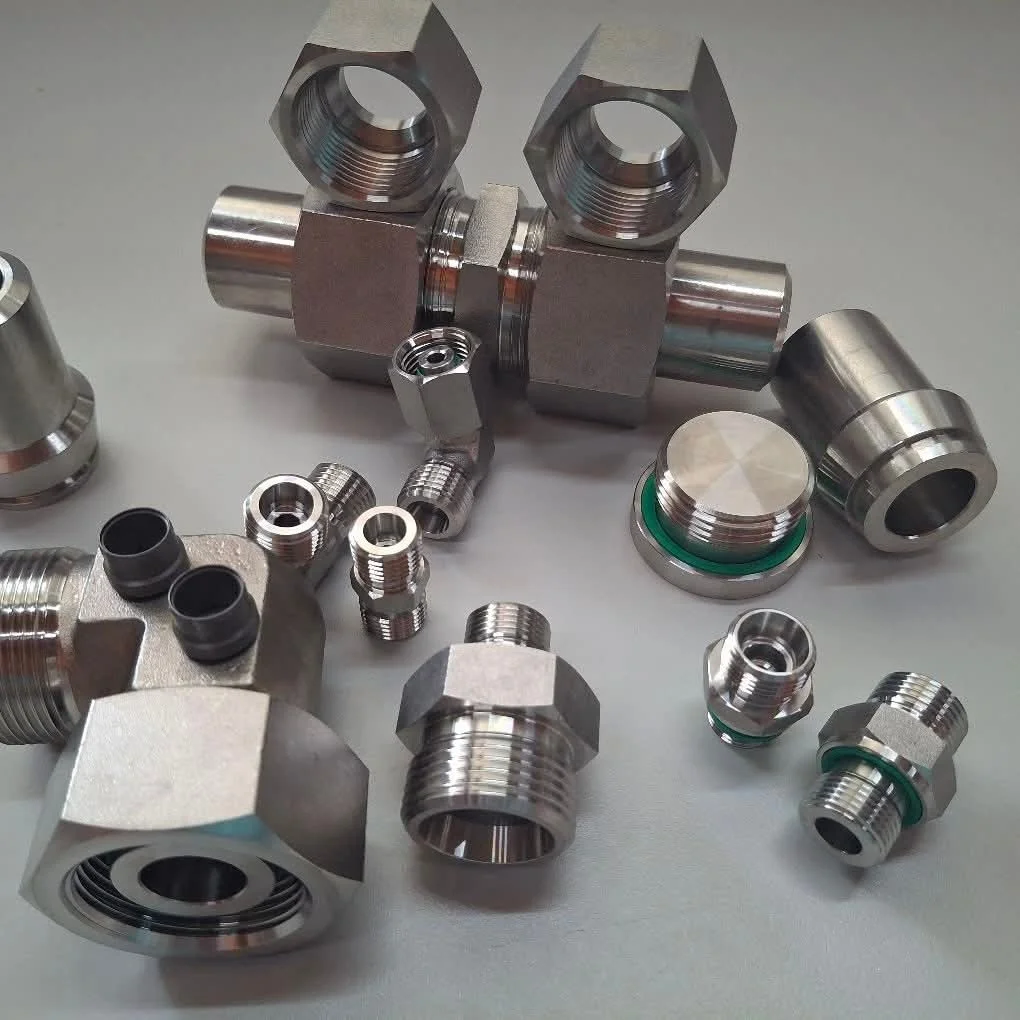
Technical Specification:
Metal: SS304/ SS316/CS
Tube Size: 1/8″ OD to 1″ OD connection NPT /BSP Male X Female (Traded /Socket Weld /But Weld)
OD SIZE: Available Double Farul 1/8″ to 1″ &6mm to 50mm
- 100kg to 250 kg Pressure Teste
|
HYDRAULIC ARMETO FITTINGS (FERULE FITTINGS)
|
|||||||||||||||||||||||||||||||||||||||||||||||||||||||||||||||||||||||||||||||||||||||||||||||||||
|---|---|---|---|---|---|---|---|---|---|---|---|---|---|---|---|---|---|---|---|---|---|---|---|---|---|---|---|---|---|---|---|---|---|---|---|---|---|---|---|---|---|---|---|---|---|---|---|---|---|---|---|---|---|---|---|---|---|---|---|---|---|---|---|---|---|---|---|---|---|---|---|---|---|---|---|---|---|---|---|---|---|---|---|---|---|---|---|---|---|---|---|---|---|---|---|---|---|---|---|
|
Application
|
Chemical Fertilizer Pipe, Pneumatic Connections, Hydraulic Pipe, Structure Pipe
|
||||||||||||||||||||||||||||||||||||||||||||||||||||||||||||||||||||||||||||||||||||||||||||||||||
|
Size
|
All kind of Size is available
|
||||||||||||||||||||||||||||||||||||||||||||||||||||||||||||||||||||||||||||||||||||||||||||||||||
|
Standard
|
SEA J514, SEA J1453, BS5200, DIN2353, DIN3865 Standards.
|
||||||||||||||||||||||||||||||||||||||||||||||||||||||||||||||||||||||||||||||||||||||||||||||||||
|
Material
|
Carbon Steel, Stainless Steel, Brass and Copper.
|
||||||||||||||||||||||||||||||||||||||||||||||||||||||||||||||||||||||||||||||||||||||||||||||||||
|
Thread
|
JIC series, BSP series, Metric series, ORFS series, NPTF series, and NPTM series.
|
||||||||||||||||||||||||||||||||||||||||||||||||||||||||||||||||||||||||||||||||||||||||||||||||||
|
Thread Size
|
ALL STANDARD SIZES
|
||||||||||||||||||||||||||||||||||||||||||||||||||||||||||||||||||||||||||||||||||||||||||||||||||
|
M.O.C
|
Stainless Steel, Carbon Steel and Alloy Steel.
|
||||||||||||||||||||||||||||||||||||||||||||||||||||||||||||||||||||||||||||||||||||||||||||||||||
|
End Connections
|
1/4" to 2" NPTI BSPIBSPTI Metric, UNF,SW & BW
|
||||||||||||||||||||||||||||||||||||||||||||||||||||||||||||||||||||||||||||||||||||||||||||||||||
|
Rating
|
Up to 10,000 PSI
|
||||||||||||||||||||||||||||||||||||||||||||||||||||||||||||||||||||||||||||||||||||||||||||||||||
|
OEM
|
Our engineering Team and Drawing department could design and make hose fittings according to your special requirements.
|
||||||||||||||||||||||||||||||||||||||||||||||||||||||||||||||||||||||||||||||||||||||||||||||||||
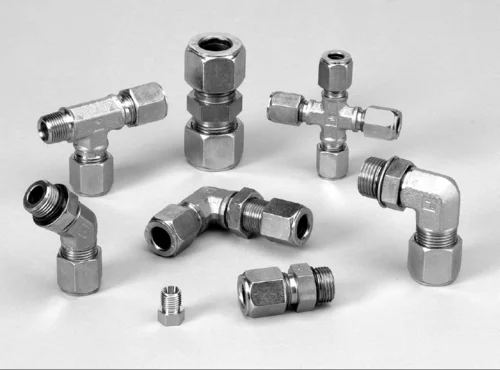
Elbow adapters allow for fluid and air to transition smoothly and effectively from one component to the next. Our hydraulic elbow adapters are available with differing types of male and female connections, as well as different styles of elbow alignments. Elbow adapters are perfect for connecting pneumatic components that need to be joined at an angle.
Applications:
- Vacuum systems
- Chilled water
- Hot water
- Permanent or temporary plumbing service
- Oil-free compressed air
- Hydronic heating
- In-plant cooling systems
- Water treatment systems
- In-wall applications (no access panel)
- Below-ground plumbing
|
HYDRAULIC ELBOW – TEE FETTINGS
|
|||||||||||||||||||||||||||||||||||||||||||||||||||||||||||||||||||||||||||||||||||||||||||||||||||
|---|---|---|---|---|---|---|---|---|---|---|---|---|---|---|---|---|---|---|---|---|---|---|---|---|---|---|---|---|---|---|---|---|---|---|---|---|---|---|---|---|---|---|---|---|---|---|---|---|---|---|---|---|---|---|---|---|---|---|---|---|---|---|---|---|---|---|---|---|---|---|---|---|---|---|---|---|---|---|---|---|---|---|---|---|---|---|---|---|---|---|---|---|---|---|---|---|---|---|---|
|
Material
|
Mild Steel
|
||||||||||||||||||||||||||||||||||||||||||||||||||||||||||||||||||||||||||||||||||||||||||||||||||
|
Color
|
Silver
|
||||||||||||||||||||||||||||||||||||||||||||||||||||||||||||||||||||||||||||||||||||||||||||||||||
|
Application
|
Hydraulic Pipe
|
||||||||||||||||||||||||||||||||||||||||||||||||||||||||||||||||||||||||||||||||||||||||||||||||||
|
Feature
|
Fine Finishing, Corrosion Proof
|
||||||||||||||||||||||||||||||||||||||||||||||||||||||||||||||||||||||||||||||||||||||||||||||||||
|
Thickness
|
2-5mm
|
||||||||||||||||||||||||||||||||||||||||||||||||||||||||||||||||||||||||||||||||||||||||||||||||||
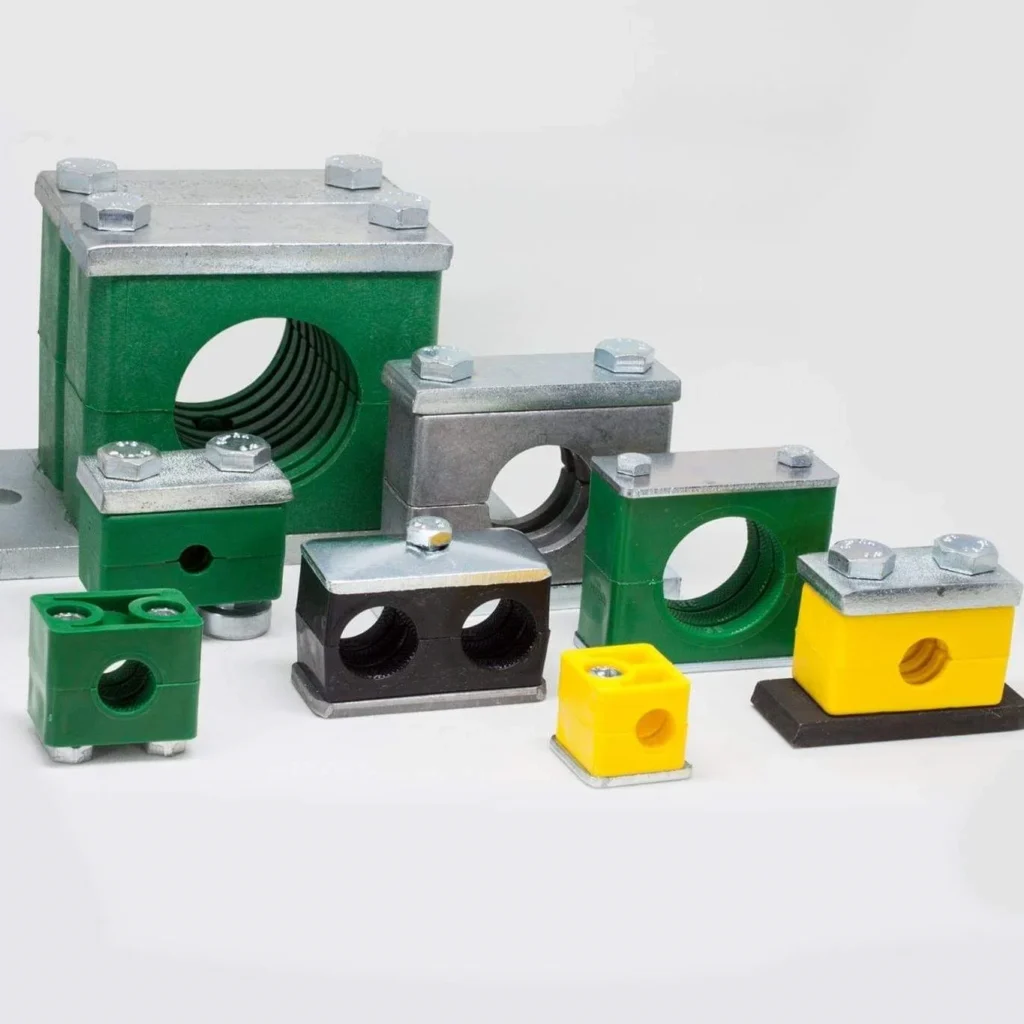
A pipe clamp is a kind of fastening device. This device offers some form of technical support system when used in securing threaded pipes in various areas. For instance, the most striking employers of these fasteners belong in fields like piping systems, woodworking, or even in cabinet shops. Though their availability is subject to various sizes, commonly, these securing devices are produced in both 1/4 inch to 4-inch sizes. Pipes require the clamps to fix them to a vertical or horizontal surface and have threads on both ends.
|
HYDRAULIC HOSE CLAMP
|
|||||||||||||||||||||||||||||||||||||||||||||||||||||||||||||||||||||||||||||||||||||||||||||||||||
|---|---|---|---|---|---|---|---|---|---|---|---|---|---|---|---|---|---|---|---|---|---|---|---|---|---|---|---|---|---|---|---|---|---|---|---|---|---|---|---|---|---|---|---|---|---|---|---|---|---|---|---|---|---|---|---|---|---|---|---|---|---|---|---|---|---|---|---|---|---|---|---|---|---|---|---|---|---|---|---|---|---|---|---|---|---|---|---|---|---|---|---|---|---|---|---|---|---|---|---|
|
Saddle Clamps
|
Noticeable in plumbing applications, their use extends to both DIY and installation in heat, drainage as well as electrical applications.
|
||||||||||||||||||||||||||||||||||||||||||||||||||||||||||||||||||||||||||||||||||||||||||||||||||
|
Light Series
|
These fasteners, as the name suggests, are light in weight, and they have a compact construction, which makes them best suited to applications with space constraints.
|
||||||||||||||||||||||||||||||||||||||||||||||||||||||||||||||||||||||||||||||||||||||||||||||||||
|
Special Clamps
|
The manufacture of these fasteners is usually from thermoplastic fibers or both ferrous and nonferrous metals.
|
||||||||||||||||||||||||||||||||||||||||||||||||||||||||||||||||||||||||||||||||||||||||||||||||||
|
Hydraulic
|
Manufacturers recommend these components for space-saving, mobile hydraulic applications.
|
||||||||||||||||||||||||||||||||||||||||||||||||||||||||||||||||||||||||||||||||||||||||||||||||||
|
U-Bolt
|
These are components for use in conjunction with U-Bolts.
|
||||||||||||||||||||||||||||||||||||||||||||||||||||||||||||||||||||||||||||||||||||||||||||||||||
|
Metal
|
The design of these components is by use of DIN Standards. The application involves the installation of pipes or tubes, or other construction components.
|
||||||||||||||||||||||||||||||||||||||||||||||||||||||||||||||||||||||||||||||||||||||||||||||||||
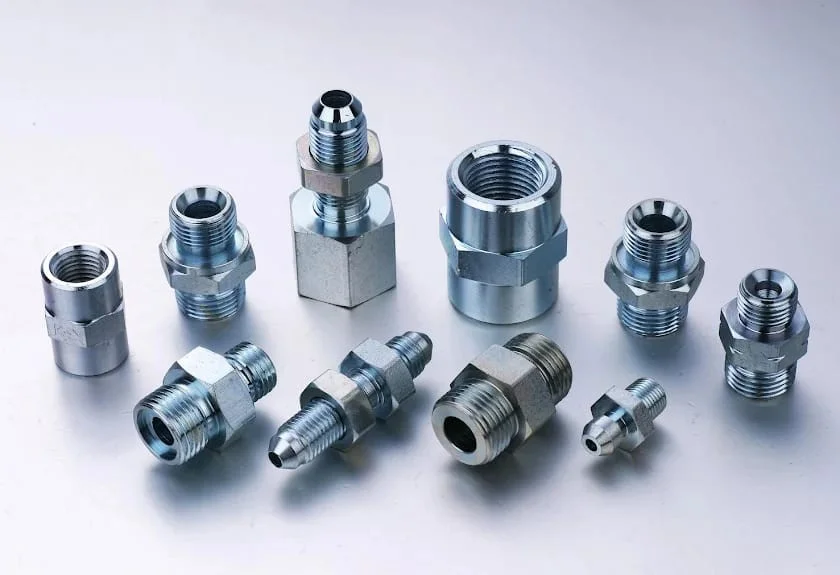
A hydraulic hose nipple is a fitting, often threaded, that connects a hydraulic hose to another hydraulic component or fitting. It’s a crucial part of a Hydraulic Hose Assembly, facilitating the flow of hydraulic fluid between different parts of a system.
Size: 1/8 to 4 inches.
|
HYDRAULIC HOSE NIPPLE
|
|||||||||||||||||||||||||||||||||||||||||||||||||||||||||||||||||||||||||||||||||||||||||||||||||||
|---|---|---|---|---|---|---|---|---|---|---|---|---|---|---|---|---|---|---|---|---|---|---|---|---|---|---|---|---|---|---|---|---|---|---|---|---|---|---|---|---|---|---|---|---|---|---|---|---|---|---|---|---|---|---|---|---|---|---|---|---|---|---|---|---|---|---|---|---|---|---|---|---|---|---|---|---|---|---|---|---|---|---|---|---|---|---|---|---|---|---|---|---|---|---|---|---|---|---|---|
|
Usage
|
Air transport: Screwdriver, Impact Wrench, Air Drill, Grinding Machinery, Air Compressor, Air Line
|
||||||||||||||||||||||||||||||||||||||||||||||||||||||||||||||||||||||||||||||||||||||||||||||||||
|
Product Name
|
Hydraulic Hose Nipple
|
||||||||||||||||||||||||||||||||||||||||||||||||||||||||||||||||||||||||||||||||||||||||||||||||||
|
Application Pipe
|
Hose
|
||||||||||||||||||||||||||||||||||||||||||||||||||||||||||||||||||||||||||||||||||||||||||||||||||
|
Connection
|
Male
|
||||||||||||||||||||||||||||||||||||||||||||||||||||||||||||||||||||||||||||||||||||||||||||||||||
|
Head Type
|
Round
|
||||||||||||||||||||||||||||||||||||||||||||||||||||||||||||||||||||||||||||||||||||||||||||||||||
|
Work Temperature
|
Normal Temperature
|
||||||||||||||||||||||||||||||||||||||||||||||||||||||||||||||||||||||||||||||||||||||||||||||||||
Industrial hose assemblies are complete, pre-made systems designed for transporting fluids, gases, or other materials in industrial settings. They consist of a flexible hose, reinforcement layers, end fittings, and sometimes other accessories, all integrated to create a functional and reliable conduit.
Common Applications:
- Hydraulic Systems: Transmitting hydraulic fluid under pressure.
- Water and fluid transfer: Handling water, chemicals, and other liquids.
- Air and gas transfer: Conveying compressed air, gases, or other gaseous materials.
- Oil and gas industry: Transferring oil, fracking slurries, and other petroleum-based materials.
- Food and beverage industry: Handling food products, beverages, and cleaning fluids.
- Mining: Providing water spray for dust control and other applications.
- Steam conveyance: Handling steam in various industrial processes.
|
INDUSTRIAL HOSE ASSEMBLIES
|
|||||||||||||||||||||||||||||||||||||||||||||||||||||||||||||||||||||||||||||||||||||||||||||||||||
|---|---|---|---|---|---|---|---|---|---|---|---|---|---|---|---|---|---|---|---|---|---|---|---|---|---|---|---|---|---|---|---|---|---|---|---|---|---|---|---|---|---|---|---|---|---|---|---|---|---|---|---|---|---|---|---|---|---|---|---|---|---|---|---|---|---|---|---|---|---|---|---|---|---|---|---|---|---|---|---|---|---|---|---|---|---|---|---|---|---|---|---|---|---|---|---|---|---|---|---|
|
Key Features
|
|||||||||||||||||||||||||||||||||||||||||||||||||||||||||||||||||||||||||||||||||||||||||||||||||||
|
Fexibility
|
|||||||||||||||||||||||||||||||||||||||||||||||||||||||||||||||||||||||||||||||||||||||||||||||||||
|
High Pressure And Temperature Tolerance
|
|||||||||||||||||||||||||||||||||||||||||||||||||||||||||||||||||||||||||||||||||||||||||||||||||||
|
Chemical And Abrasion Resistance
|
|||||||||||||||||||||||||||||||||||||||||||||||||||||||||||||||||||||||||||||||||||||||||||||||||||
|
Ability To Be Customized With Specific Fittings For Secure Connections.
|
|||||||||||||||||||||||||||||||||||||||||||||||||||||||||||||||||||||||||||||||||||||||||||||||||||
|
Reduced Risk of Leaks
|
|||||||||||||||||||||||||||||||||||||||||||||||||||||||||||||||||||||||||||||||||||||||||||||||||||
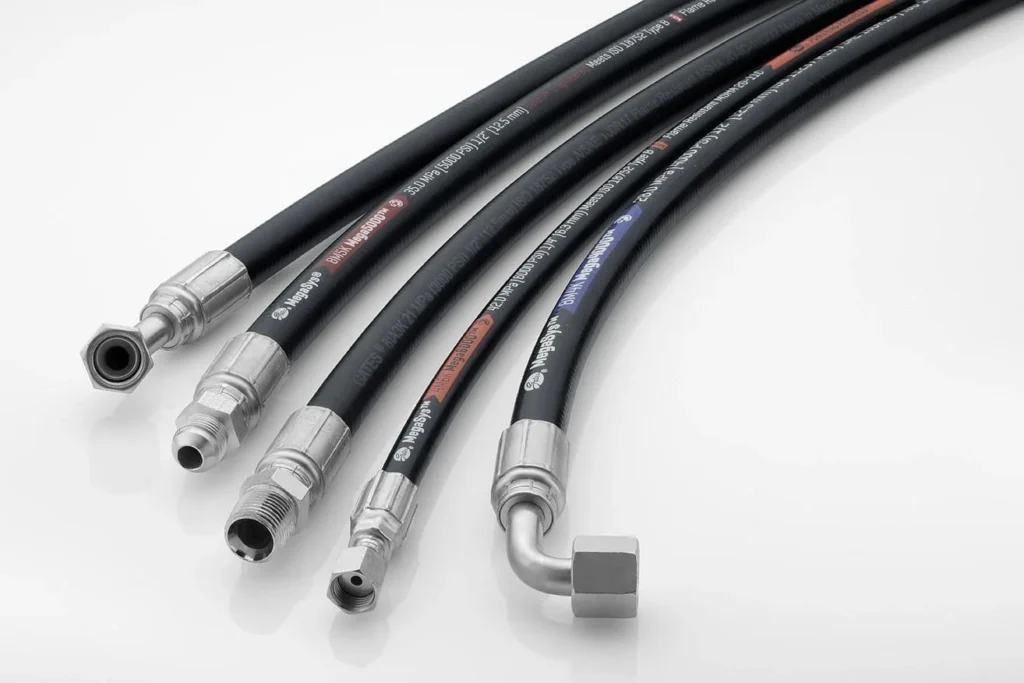
Low-pressure hose assemblies are flexible tubes, typically made of materials like rubber or thermoplastic, designed to convey fluids or gases at relatively low pressures, generally below 300 PSI (20.7 bar). They are characterized by their flexibility, allowing for easy installation and maneuverability, and are often used in applications where high-pressure resistance is not a primary concern.
- General-purpose hydraulic systems: For fluid transfer and other applications where lower pressures are sufficient.
- Pneumatic systems: For conveying compressed air.
- Fuel systems: Replacing rigid lines with flexible ones where flexibility is required.
- Medical gas systems: For delivering medical gases at lower pressures, as specified in ISO 5359.
- Industrial and agricultural equipment: For general fluid transfer and other applications.
- Vehicles (air conditioning systems)
|
LOW-PRESSURE HOSE ASSEMBLIES
|
|||||||||||||||||||||||||||||||||||||||||||||||||||||||||||||||||||||||||||||||||||||||||||||||||||
|---|---|---|---|---|---|---|---|---|---|---|---|---|---|---|---|---|---|---|---|---|---|---|---|---|---|---|---|---|---|---|---|---|---|---|---|---|---|---|---|---|---|---|---|---|---|---|---|---|---|---|---|---|---|---|---|---|---|---|---|---|---|---|---|---|---|---|---|---|---|---|---|---|---|---|---|---|---|---|---|---|---|---|---|---|---|---|---|---|---|---|---|---|---|---|---|---|---|---|---|
|
Pressure Range
|
Low-pressure hoses are designed for applications where the operating pressure is typically below 300 PSI (20.7 bar).
|
||||||||||||||||||||||||||||||||||||||||||||||||||||||||||||||||||||||||||||||||||||||||||||||||||
|
Flexibility
|
They are known for their flexibility, making them suitable for installations in tight spaces or where the hose needs to bend or curve.
|
||||||||||||||||||||||||||||||||||||||||||||||||||||||||||||||||||||||||||||||||||||||||||||||||||
|
Materials
|
Common materials include rubber, PVC, thermoplastic, and sometimes reinforced with layers of synthetic fibers or steel wire for added strength.
|
||||||||||||||||||||||||||||||||||||||||||||||||||||||||||||||||||||||||||||||||||||||||||||||||||
|
Reinforcement
|
Some low-pressure hoses incorporate reinforcement layers (e.g., braided steel wire) to enhance their pressure-bearing capacity and resistance to wear and tear.
|
||||||||||||||||||||||||||||||||||||||||||||||||||||||||||||||||||||||||||||||||||||||||||||||||||
|
Assembly
|
Low-pressure hose assemblies often utilize crimping or swaging techniques to securely attach fittings to the hose, ensuring a reliable and leak-free connection.
|
||||||||||||||||||||||||||||||||||||||||||||||||||||||||||||||||||||||||||||||||||||||||||||||||||
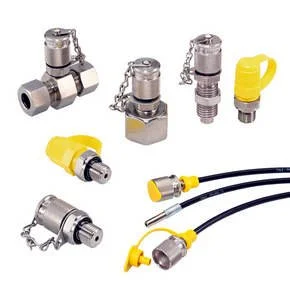
A minimized hose coupling is a type of hose connector or fitting that is specifically designed to reduce the overall size or profile of the hose assembly. It is used to connect two sections of hose while keeping the connection compact and minimizing any protrusions or obstructions.
- Applications:These assemblies are commonly used in hydraulic systems, plumbing, test lines, and other applications where space is limited and high pressure is a factor.
|
MINIMIZE HOSE ASSEMBLIES & COUPLING
|
|||||||||||||||||||||||||||||||||||||||||||||||||||||||||||||||||||||||||||||||||||||||||||||||||||
|---|---|---|---|---|---|---|---|---|---|---|---|---|---|---|---|---|---|---|---|---|---|---|---|---|---|---|---|---|---|---|---|---|---|---|---|---|---|---|---|---|---|---|---|---|---|---|---|---|---|---|---|---|---|---|---|---|---|---|---|---|---|---|---|---|---|---|---|---|---|---|---|---|---|---|---|---|---|---|---|---|---|---|---|---|---|---|---|---|---|---|---|---|---|---|---|---|---|---|---|
|
Compact Design
|
Minimize hose couplings are characterized by a short, straight-through design, allowing for easy installation in confined spaces and reducing the overall profile of the hose assembly.
|
||||||||||||||||||||||||||||||||||||||||||||||||||||||||||||||||||||||||||||||||||||||||||||||||||
|
High-Pressure Rating
|
These couplings are engineered to withstand high pressures, making them suitable for demanding hydraulic systems and other applications where pressure resistance is vital.
|
||||||||||||||||||||||||||||||||||||||||||||||||||||||||||||||||||||||||||||||||||||||||||||||||||
|
Corrosion Resistance
|
Made from materials like stainless steel, minimize couplings offer excellent protection against rust and wear, ensuring long-lasting performance in harsh and corrosive environments.
|
||||||||||||||||||||||||||||||||||||||||||||||||||||||||||||||||||||||||||||||||||||||||||||||||||
|
Leak-Free Connections
|
Minimize hose assemblies are designed to provide secure and leak-free connections, crucial for maintaining the integrity and efficiency of fluid transfer systems.
|
||||||||||||||||||||||||||||||||||||||||||||||||||||||||||||||||||||||||||||||||||||||||||||||||||
|
Versatility
|
They are available in various sizes and thread types to accommodate different applications and system requirements.
|
||||||||||||||||||||||||||||||||||||||||||||||||||||||||||||||||||||||||||||||||||||||||||||||||||
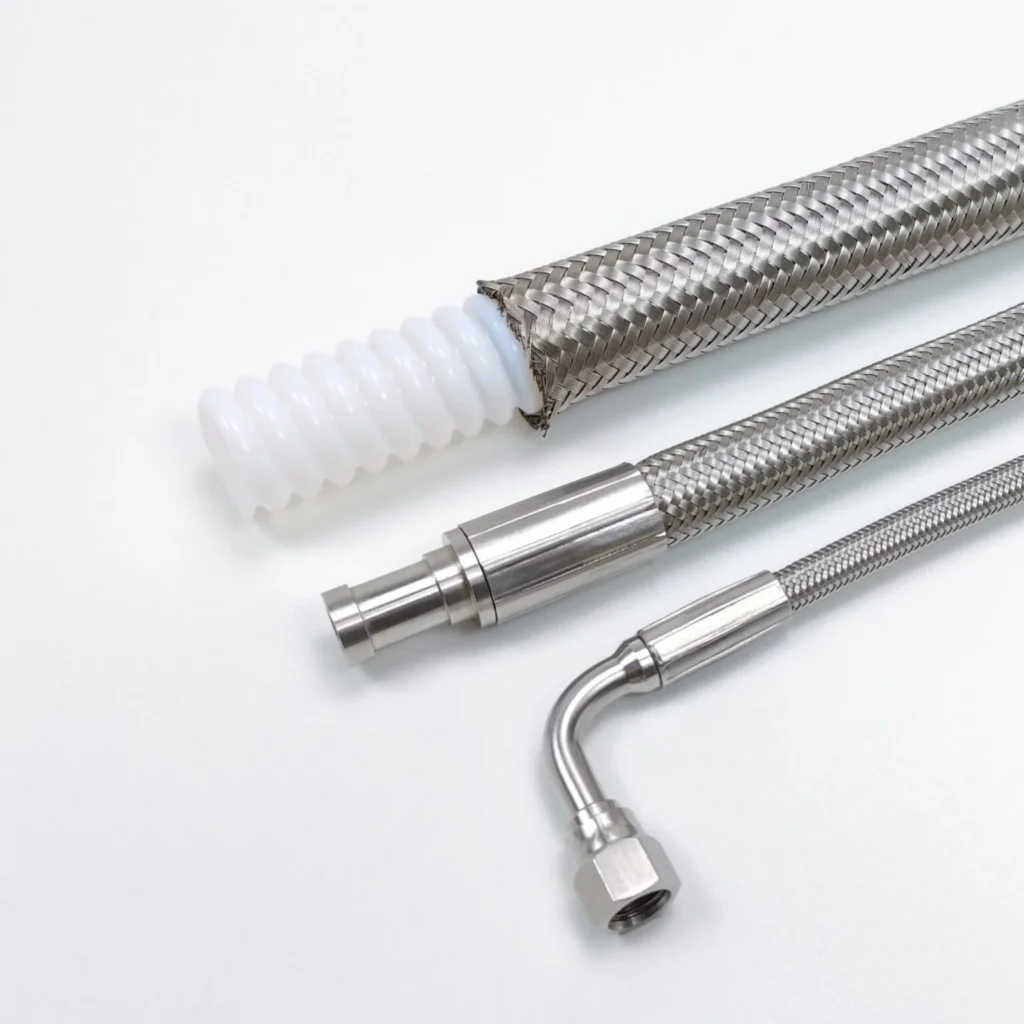
PTFE (Teflon) hose assemblies are flexible hoses made from Polytetrafluoroethylene (PTFE), a synthetic fluoropolymer known for its exceptional chemical resistance, low friction, and high-temperature tolerance. These assemblies consist of the PTFE hose itself and fittings that connect it to other parts of a system, like valves or pumps. The fittings are crucial for a secure and leak-proof connection, ensuring the hose can handle the intended application.
|
PTFE – TEFLONE HOSE ASSEMBLIES
|
|||||||||||||||||||||||||||||||||||||||||||||||||||||||||||||||||||||||||||||||||||||||||||||||||||
|---|---|---|---|---|---|---|---|---|---|---|---|---|---|---|---|---|---|---|---|---|---|---|---|---|---|---|---|---|---|---|---|---|---|---|---|---|---|---|---|---|---|---|---|---|---|---|---|---|---|---|---|---|---|---|---|---|---|---|---|---|---|---|---|---|---|---|---|---|---|---|---|---|---|---|---|---|---|---|---|---|---|---|---|---|---|---|---|---|---|---|---|---|---|---|---|---|---|---|---|
|
PTFE Hose
|
The core component, known for its inertness, preventing contamination and facilitating flow.
|
||||||||||||||||||||||||||||||||||||||||||||||||||||||||||||||||||||||||||||||||||||||||||||||||||
|
Fittings
|
Connect the hose to other parts, and are selected for compatibility with both the PTFE hose and the specific application.
|
||||||||||||||||||||||||||||||||||||||||||||||||||||||||||||||||||||||||||||||||||||||||||||||||||
|
Braid
|
Often reinforced with a stainless steel braid for added strength, pressure resistance, and protection against abrasion.
|
||||||||||||||||||||||||||||||||||||||||||||||||||||||||||||||||||||||||||||||||||||||||||||||||||
|
Temperature and Chemical Resistance
|
PTFE hoses excel in handling a wide range of temperatures (typically from -200°C to 260°C) and are resistant to most chemicals.
|
||||||||||||||||||||||||||||||||||||||||||||||||||||||||||||||||||||||||||||||||||||||||||||||||||
|
Non-stick Surface
|
The low friction and non-stick properties of PTFE are beneficial in various applications, like food and pharmaceutical industries, where contamination is a concern.
|
||||||||||||||||||||||||||||||||||||||||||||||||||||||||||||||||||||||||||||||||||||||||||||||||||
|
Versatility
|
PTFE hoses are used in numerous industries, including chemical, automotive, pharmaceutical, and more.
|
||||||||||||||||||||||||||||||||||||||||||||||||||||||||||||||||||||||||||||||||||||||||||||||||||
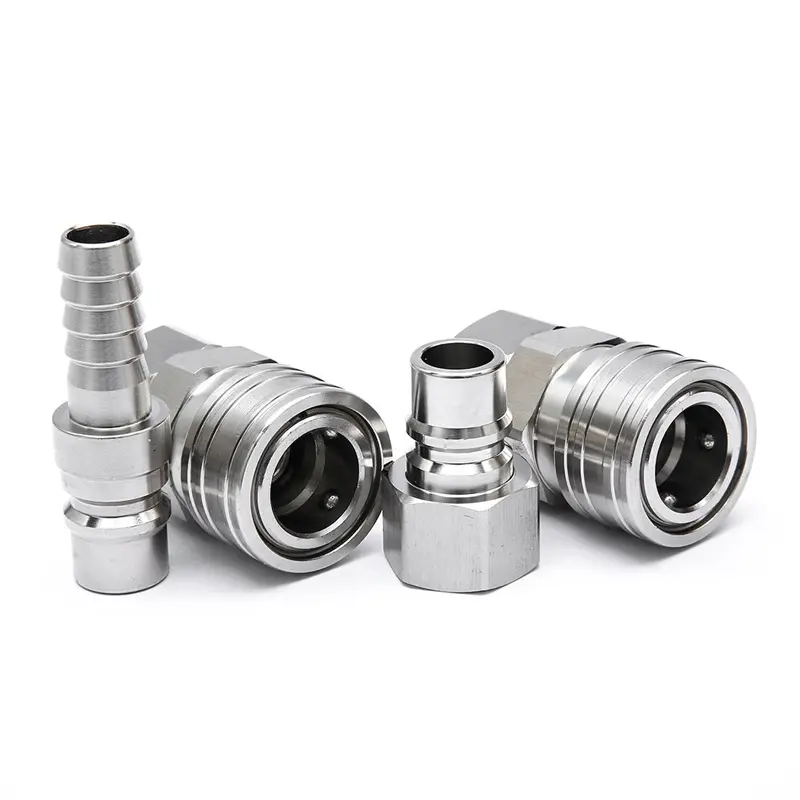
Quick release fittings, also known as quick disconnects or quick connect couplings, are specialized fittings designed for rapid and easy connection and disconnection of fluid or gas lines. They eliminate the need for tools or complex procedures when joining or separating hoses or pipes.
|
QUICK REALEASE FITTINGS
|
|||||||||||||||||||||||||||||||||||||||||||||||||||||||||||||||||||||||||||||||||||||||||||||||||||
|---|---|---|---|---|---|---|---|---|---|---|---|---|---|---|---|---|---|---|---|---|---|---|---|---|---|---|---|---|---|---|---|---|---|---|---|---|---|---|---|---|---|---|---|---|---|---|---|---|---|---|---|---|---|---|---|---|---|---|---|---|---|---|---|---|---|---|---|---|---|---|---|---|---|---|---|---|---|---|---|---|---|---|---|---|---|---|---|---|---|---|---|---|---|---|---|---|---|---|---|
|
Ease of Use
|
Quick-release fittings allow for simple, one-handed connection and disconnection of fluid lines.
|
||||||||||||||||||||||||||||||||||||||||||||||||||||||||||||||||||||||||||||||||||||||||||||||||||
|
Versatility
|
These fittings are used in various industries and applications, including automotive, aerospace, manufacturing, and more.
|
||||||||||||||||||||||||||||||||||||||||||||||||||||||||||||||||||||||||||||||||||||||||||||||||||
|
Types of Connections
|
Quick release fittings come in various types, including threaded connections, hose barbs, and those with specialized male and female ends.
|
||||||||||||||||||||||||||||||||||||||||||||||||||||||||||||||||||||||||||||||||||||||||||||||||||
|
Leak-Proof Design
|
Many quick-release fittings incorporate features like valves and locking mechanisms to ensure a secure, leak-free connection.
|
||||||||||||||||||||||||||||||||||||||||||||||||||||||||||||||||||||||||||||||||||||||||||||||||||
|
Safety
|
Reduces the risk of spills or leaks during connection and disconnection.
|
||||||||||||||||||||||||||||||||||||||||||||||||||||||||||||||||||||||||||||||||||||||||||||||||||
|
Convenience
|
Enables quick changes and maintenance of equipment without complex procedures.
|
||||||||||||||||||||||||||||||||||||||||||||||||||||||||||||||||||||||||||||||||||||||||||||||||||
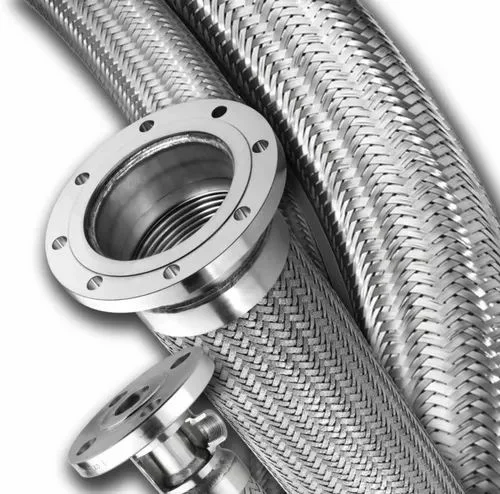
SS Corrugated Bellow Hose Assemblies are flexible hoses made from stainless steel, featuring a corrugated or wavy design that allows for bending and flexing while maintaining strength and durability. They are used in various industries for conveying liquids or gases, especially in situations requiring flexibility and resistance to high pressure or extreme temperatures.
|
S.S CORRUGATED BELOW HOSE ASSEMBLIES
|
|||||||||||||||||||||||||||||||||||||||||||||||||||||||||||||||||||||||||||||||||||||||||||||||||||
|---|---|---|---|---|---|---|---|---|---|---|---|---|---|---|---|---|---|---|---|---|---|---|---|---|---|---|---|---|---|---|---|---|---|---|---|---|---|---|---|---|---|---|---|---|---|---|---|---|---|---|---|---|---|---|---|---|---|---|---|---|---|---|---|---|---|---|---|---|---|---|---|---|---|---|---|---|---|---|---|---|---|---|---|---|---|---|---|---|---|---|---|---|---|---|---|---|---|---|---|
|
Material
|
Constructed from stainless steel, providing corrosion resistance and high tensile strength.
|
||||||||||||||||||||||||||||||||||||||||||||||||||||||||||||||||||||||||||||||||||||||||||||||||||
|
Corrugated Design
|
The wavy pattern enhances flexibility and allows for movement without compromising structural integrity.
|
||||||||||||||||||||||||||||||||||||||||||||||||||||||||||||||||||||||||||||||||||||||||||||||||||
|
Temperature Range
|
Can withstand a wide range of temperatures, from cryogenic (very low) to high temperatures (e.g., up to +800°C).
|
||||||||||||||||||||||||||||||||||||||||||||||||||||||||||||||||||||||||||||||||||||||||||||||||||
|
Corrosion Resistance
|
Stainless steel material resists corrosion, making it suitable for diverse environments.
|
||||||||||||||||||||||||||||||||||||||||||||||||||||||||||||||||||||||||||||||||||||||||||||||||||
|
Durability
|
Stainless steel construction ensures longevity and resistance to wear and tear, says McNeil Instrument.
|
||||||||||||||||||||||||||||||||||||||||||||||||||||||||||||||||||||||||||||||||||||||||||||||||||
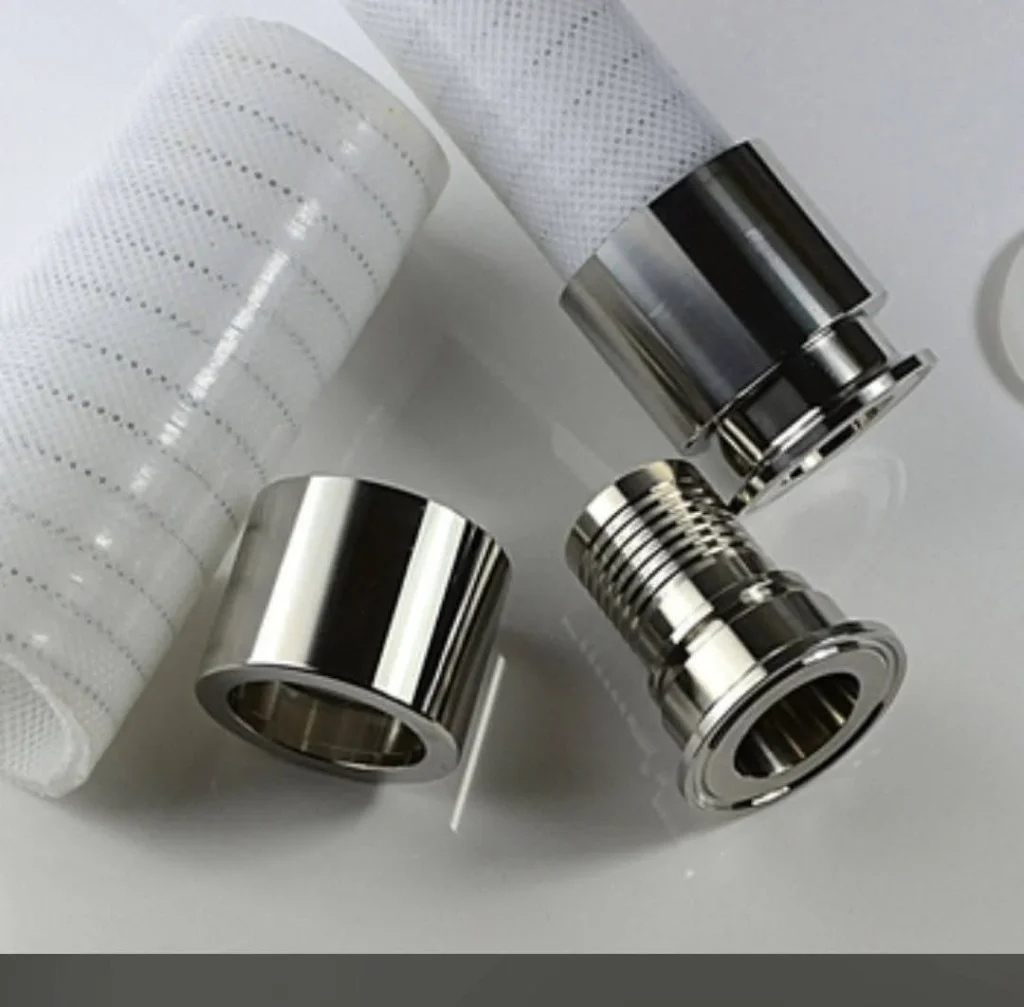
Silicone hose assemblies are flexible hoses made from silicone rubber, often reinforced with materials such as polyester or Kevlar, and designed to handle a wide range of fluids, gases, or chemicals in various applications. They are known for their temperature resistance, flexibility, and resistance to aging, chemicals, and other environmental factors.
Used in engine cooling systems, turbocharger systems, and other applications requiring heat and pressure resistance
Used for transferring liquids like water, juice, and dairy products due to their non-toxic and sanitary properties.
Used in low-pressure fluid handling and sample transfer due to their biocompatibility and resistance to contamination.
|
SILICONE HOSE ASSEMBLIES
|
|||||||||||||||||||||||||||||||||||||||||||||||||||||||||||||||||||||||||||||||||||||||||||||||||||
|---|---|---|---|---|---|---|---|---|---|---|---|---|---|---|---|---|---|---|---|---|---|---|---|---|---|---|---|---|---|---|---|---|---|---|---|---|---|---|---|---|---|---|---|---|---|---|---|---|---|---|---|---|---|---|---|---|---|---|---|---|---|---|---|---|---|---|---|---|---|---|---|---|---|---|---|---|---|---|---|---|---|---|---|---|---|---|---|---|---|---|---|---|---|---|---|---|---|---|---|
|
Material
|
Typically made from platinum-cured silicone rubber, ensuring purity and resistance to degradation.
|
||||||||||||||||||||||||||||||||||||||||||||||||||||||||||||||||||||||||||||||||||||||||||||||||||
|
Reinforcemen
|
Often reinforced with materials like polyester braid or stainless steel wire to increase pressure resistance and prevent kinking.
|
||||||||||||||||||||||||||||||||||||||||||||||||||||||||||||||||||||||||||||||||||||||||||||||||||
|
Chemical Resistance
|
Resistant to many chemicals, oils, solvents, and acids, making them suitable for diverse applications.
|
||||||||||||||||||||||||||||||||||||||||||||||||||||||||||||||||||||||||||||||||||||||||||||||||||
|
Flexibility
|
Remain flexible even under extreme temperatures and pressure, allowing for easy installation and routing.
|
||||||||||||||||||||||||||||||||||||||||||||||||||||||||||||||||||||||||||||||||||||||||||||||||||
|
Fittings
|
Can be customized with various fittings that suit specific connection requirements.
|
||||||||||||||||||||||||||||||||||||||||||||||||||||||||||||||||||||||||||||||||||||||||||||||||||
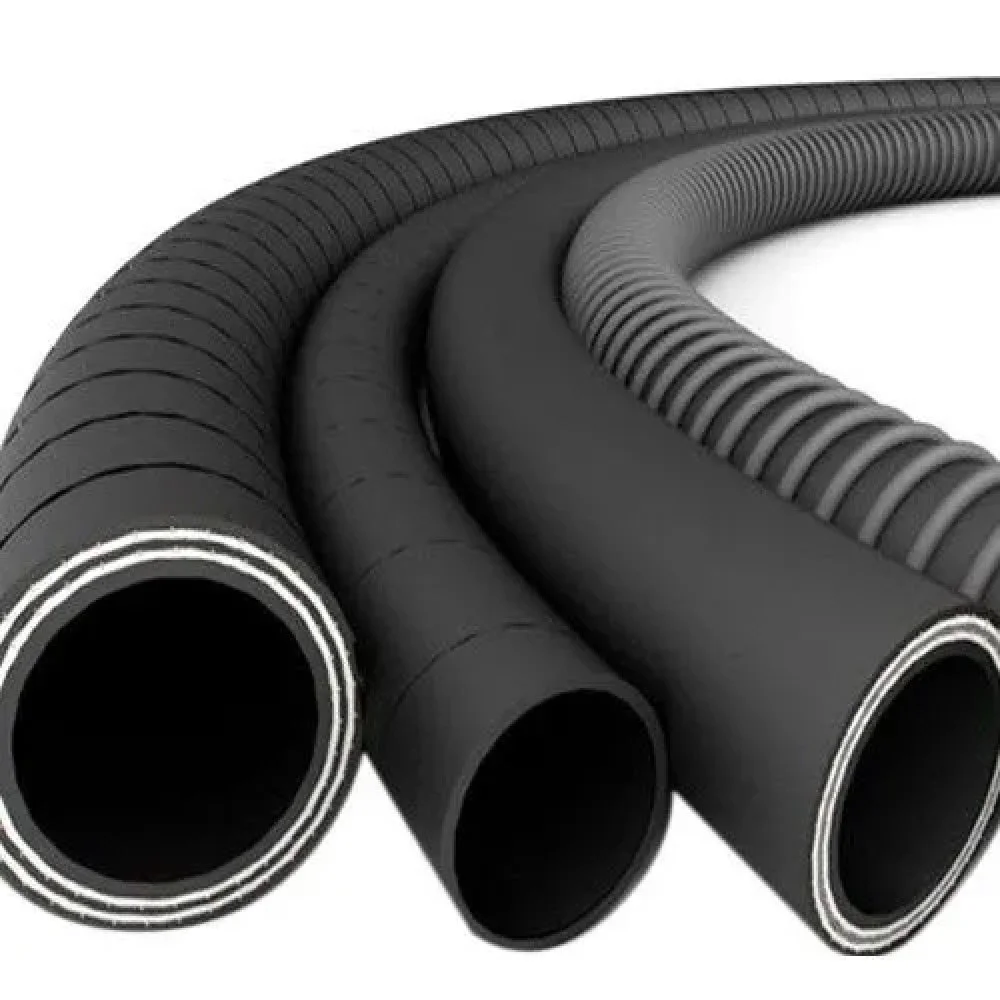
A rubber suction hose is a flexible, durable hose made of rubber, designed to draw liquids or materials into a system using negative pressure (vacuum). It’s a crucial component in various applications like construction, agriculture, and industrial settings where materials need to be moved from one location to another through suction.
|
RUBBER SUCTION HOSE
|
|||||||||||||||||||||||||||||||||||||||||||||||||||||||||||||||||||||||||||||||||||||||||||||||||||
|---|---|---|---|---|---|---|---|---|---|---|---|---|---|---|---|---|---|---|---|---|---|---|---|---|---|---|---|---|---|---|---|---|---|---|---|---|---|---|---|---|---|---|---|---|---|---|---|---|---|---|---|---|---|---|---|---|---|---|---|---|---|---|---|---|---|---|---|---|---|---|---|---|---|---|---|---|---|---|---|---|---|---|---|---|---|---|---|---|---|---|---|---|---|---|---|---|---|---|---|
|
Application
|
Rubber suction hoses are designed to be flexible, allowing them to be easily maneuvered and positioned in different environments.
|
||||||||||||||||||||||||||||||||||||||||||||||||||||||||||||||||||||||||||||||||||||||||||||||||||
|
Durability
|
The rubber material and reinforcement layers (often including wire or fabric) provide strength and resistance to wear, tear, and pressure, including both positive and negative pressures.
|
||||||||||||||||||||||||||||||||||||||||||||||||||||||||||||||||||||||||||||||||||||||||||||||||||
|
Vacuum Resistance
|
Unlike hoses designed for pressure, suction hoses are engineered to withstand the negative pressure created when drawing fluids or materials.
|
||||||||||||||||||||||||||||||||||||||||||||||||||||||||||||||||||||||||||||||||||||||||||||||||||
|
Material Composition
|
Rubber suction hoses typically have an inner tube, a reinforcement layer (like wire or fabric), and an outer cover, all made of rubber or rubber-like materials.
|
||||||||||||||||||||||||||||||||||||||||||||||||||||||||||||||||||||||||||||||||||||||||||||||||||
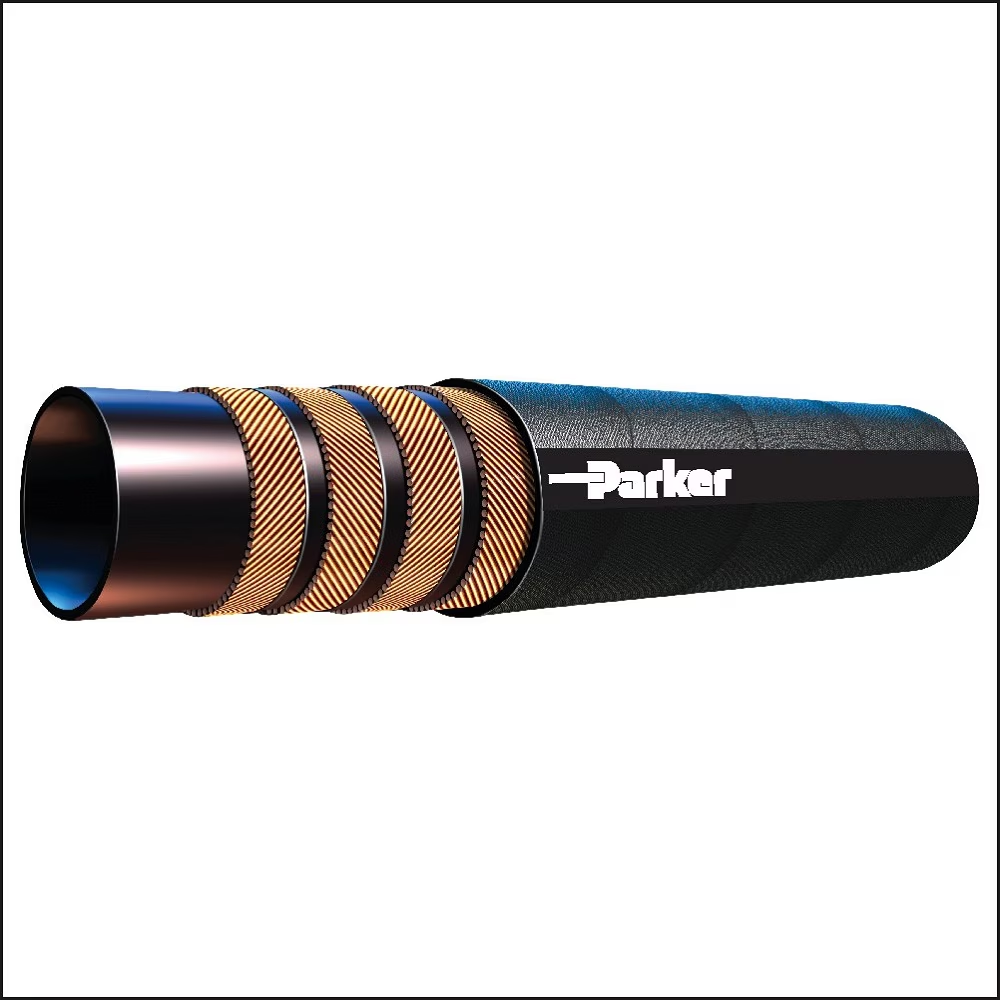
SPIRABLAST hose assemblies are specifically designed for ultra-high-pressure applications, primarily involving water blasting or jetting.
In essence, SPIRABLAST hose assemblies are heavy-duty, reinforced hoses specifically engineered for demanding water blasting and jetting tasks where extreme pressures and harsh conditions are commonplace.
Applications: Primarily used for water blasting and jetting applications where durability and high-pressure handling are crucial.
Examples of Specific SPIRABLAST Hoses:
SPIRABLAST 30K Hose, Series SB30KPM: Designed for constant pressure applications, with an abrasion and ozone-resistant cover.
SPIRABLAST 40K HOSE: Features a CR synthetic rubber core, four high-tensile steel wire spirals, and an SBR synthetic rubber cover, designed for higher working pressure in water blasting/jetting applications.
|
SPIRABLAST HOSE ASSEMBLIES
|
|||||||||||||||||||||||||||||||||||||||||||||||||||||||||||||||||||||||||||||||||||||||||||||||||||
|---|---|---|---|---|---|---|---|---|---|---|---|---|---|---|---|---|---|---|---|---|---|---|---|---|---|---|---|---|---|---|---|---|---|---|---|---|---|---|---|---|---|---|---|---|---|---|---|---|---|---|---|---|---|---|---|---|---|---|---|---|---|---|---|---|---|---|---|---|---|---|---|---|---|---|---|---|---|---|---|---|---|---|---|---|---|---|---|---|---|---|---|---|---|---|---|---|---|---|---|
|
High-Pressure Capability
|
These hoses are engineered to withstand extremely high operating pressures, making them unsuitable for standard hydraulic applications.
|
||||||||||||||||||||||||||||||||||||||||||||||||||||||||||||||||||||||||||||||||||||||||||||||||||
|
Reinforcement
|
They are typically reinforced with multiple layers (commonly four) of high-tensile steel wire spirals, providing the necessary strength and durability to handle extreme pressures.
|
||||||||||||||||||||||||||||||||||||||||||||||||||||||||||||||||||||||||||||||||||||||||||||||||||
|
Construction Materials
|
The inner tube is made of water and oil-resistant synthetic rubber, while the outer cover is composed of abrasion, ozone, and weather-resistant synthetic rubber.
|
||||||||||||||||||||||||||||||||||||||||||||||||||||||||||||||||||||||||||||||||||||||||||||||||||
|
Abrasion Resistance
|
The multi-layered spiral wire reinforcement also contributes to excellent abrasion resistance and impulse fatigue performance.
|
||||||||||||||||||||||||||||||||||||||||||||||||||||||||||||||||||||||||||||||||||||||||||||||||||
|
Temperature Range
|
They can typically operate in a continuous temperature range of 0°C to 80°C (32°F to 176°F)
|
||||||||||||||||||||||||||||||||||||||||||||||||||||||||||||||||||||||||||||||||||||||||||||||||||
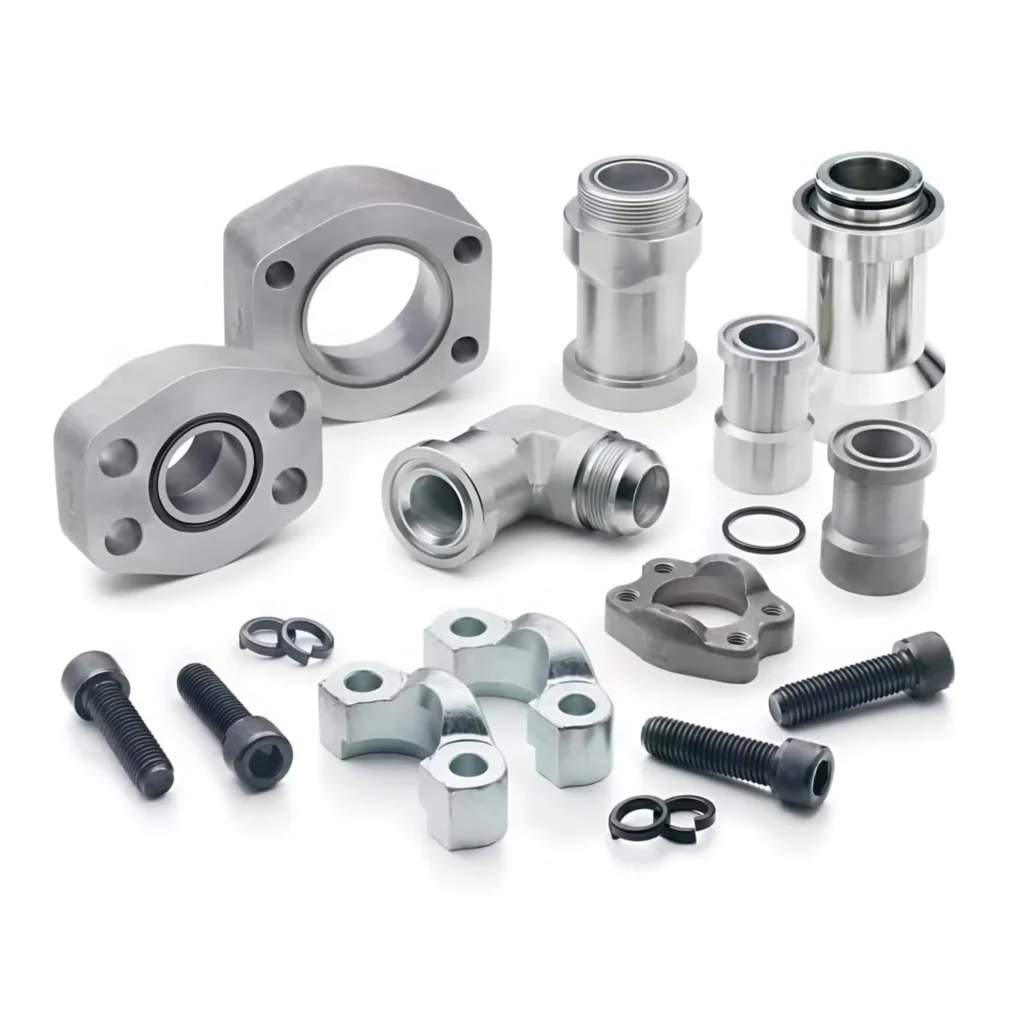
Split Flanges
Split flanges are a type of hydraulic fitting designed for connecting pipes, tubes, and hoses in hydraulic systems. They are characterized by their two-piece construction, allowing for easy installation and removal around existing piping. The two halves are secured together with nuts and bolts, and an O-ring is used to create a tight seal, preventing leaks in high-pressure applications.
|
SPLIT FLANGES & MONO FLANGES
|
|||||||||||||||||||||||||||||||||||||||||||||||||||||||||||||||||||||||||||||||||||||||||||||||||||
|---|---|---|---|---|---|---|---|---|---|---|---|---|---|---|---|---|---|---|---|---|---|---|---|---|---|---|---|---|---|---|---|---|---|---|---|---|---|---|---|---|---|---|---|---|---|---|---|---|---|---|---|---|---|---|---|---|---|---|---|---|---|---|---|---|---|---|---|---|---|---|---|---|---|---|---|---|---|---|---|---|---|---|---|---|---|---|---|---|---|---|---|---|---|---|---|---|---|---|---|
|
Easy installation and removal
|
Ideal for maintenance and repairs, particularly in tight spaces.
|
||||||||||||||||||||||||||||||||||||||||||||||||||||||||||||||||||||||||||||||||||||||||||||||||||
|
High-pressure capabilities
|
Designed for use in hydraulic systems with high operating pressures.
|
||||||||||||||||||||||||||||||||||||||||||||||||||||||||||||||||||||||||||||||||||||||||||||||||||
|
Reduced risk of leakage
|
O-ring seal minimizes leaks and resists vibrations.
|
||||||||||||||||||||||||||||||||||||||||||||||||||||||||||||||||||||||||||||||||||||||||||||||||||
|
Available in different sizes and materials
|
Typically found in 3000 PSI and 6000 PSI versions (Code 61 and Code 62), and commonly made from carbon and stainless steel.
|
||||||||||||||||||||||||||||||||||||||||||||||||||||||||||||||||||||||||||||||||||||||||||||||||||
|
Applications
|
Primarily used in hydraulic and fluid power applications such as hydraulic machinery, mobile equipment, industrial machinery, aerospace, marine, agriculture, and oil & gas industries.
|
||||||||||||||||||||||||||||||||||||||||||||||||||||||||||||||||||||||||||||||||||||||||||||||||||
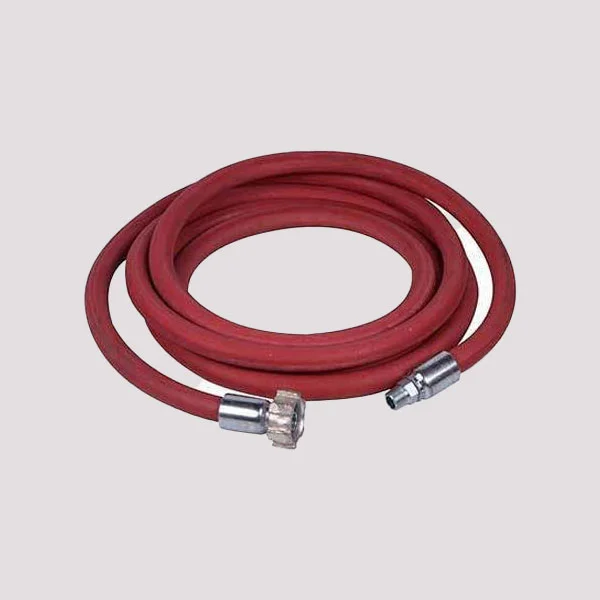
Steam-hose assemblies are specialized hoses designed to safely transport high-temperature steam or hot water in industrial settings. They consist of a hose, often made of rubber or other heat-resistant materials, and fittings (couplings, clamps, etc.) that connect it to other equipment or systems. These assemblies are crucial for various applications like cleaning, thawing, and blow-out services in industries where steam is a key component.
|
Steam-Hoses ASSEMBLIES ( Key Features)
|
|||||||||||||||||||||||||||||||||||||||||||||||||||||||||||||||||||||||||||||||||||||||||||||||||||
|---|---|---|---|---|---|---|---|---|---|---|---|---|---|---|---|---|---|---|---|---|---|---|---|---|---|---|---|---|---|---|---|---|---|---|---|---|---|---|---|---|---|---|---|---|---|---|---|---|---|---|---|---|---|---|---|---|---|---|---|---|---|---|---|---|---|---|---|---|---|---|---|---|---|---|---|---|---|---|---|---|---|---|---|---|---|---|---|---|---|---|---|---|---|---|---|---|---|---|---|
|
Types
|
Include couplings, clamps, and other connectors designed to withstand high temperatures and pressures.
|
||||||||||||||||||||||||||||||||||||||||||||||||||||||||||||||||||||||||||||||||||||||||||||||||||
|
Purpose
|
To connect the steam hose to other equipment, like steam generators, pipes, or machines.
|
||||||||||||||||||||||||||||||||||||||||||||||||||||||||||||||||||||||||||||||||||||||||||||||||||
|
Installation
|
May be permanently mounted (e.g., welded or crimped) or manually connected with clamps.
|
||||||||||||||||||||||||||||||||||||||||||||||||||||||||||||||||||||||||||||||||||||||||||||||||||
|
Construction
|
Typically made from heat-resistant materials like EPDM rubber or other polymers, with reinforcement layers (e.g., steel wires, synthetic fibers) for added strength and pressure resistance.
|
||||||||||||||||||||||||||||||||||||||||||||||||||||||||||||||||||||||||||||||||||||||||||||||||||
|
Features
|
High-temperature and pressure resistance, flexibility for easy handling, and often oil and abrasion resistance.
|
||||||||||||||||||||||||||||||||||||||||||||||||||||||||||||||||||||||||||||||||||||||||||||||||||
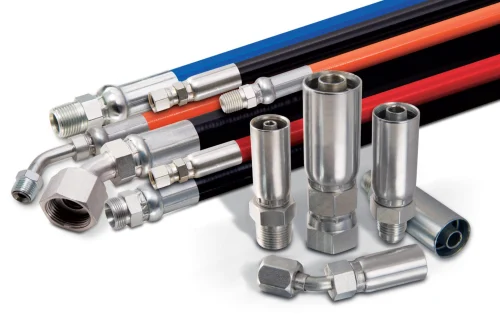
Thermoplastic hose assemblies are flexible conduits used for fluid or gas transfer, constructed from thermoplastic materials and designed to handle specific pressure and temperature ranges. They typically consist of an inner tube, reinforcement layers, and an outer cover, all made from different thermoplastic compounds.
|
thermoplastic hose assemblies ( Key Features )
|
|||||||||||||||||||||||||||||||||||||||||||||||||||||||||||||||||||||||||||||||||||||||||||||||||||
|---|---|---|---|---|---|---|---|---|---|---|---|---|---|---|---|---|---|---|---|---|---|---|---|---|---|---|---|---|---|---|---|---|---|---|---|---|---|---|---|---|---|---|---|---|---|---|---|---|---|---|---|---|---|---|---|---|---|---|---|---|---|---|---|---|---|---|---|---|---|---|---|---|---|---|---|---|---|---|---|---|---|---|---|---|---|---|---|---|---|---|---|---|---|---|---|---|---|---|---|
|
Inner Tube
|
This is the layer that comes into direct contact with the fluid being transferred. Common materials include polyether or polyamide.
|
||||||||||||||||||||||||||||||||||||||||||||||||||||||||||||||||||||||||||||||||||||||||||||||||||
|
Reinforcement
|
Thermoplastic hoses often include one or more layers of braided or spiraled synthetic fibers (like aramid) or steel wire for added strength and pressure resistance.
|
||||||||||||||||||||||||||||||||||||||||||||||||||||||||||||||||||||||||||||||||||||||||||||||||||
|
Outer Cover
|
Typically made of abrasion-resistant polyurethane, this layer protects the inner layers from external damage and environmental factors.
|
||||||||||||||||||||||||||||||||||||||||||||||||||||||||||||||||||||||||||||||||||||||||||||||||||
|
Durability and Longevity
|
They often exhibit good resistance to abrasion, ozone, and UV radiation, leading to a longer service life.
|
||||||||||||||||||||||||||||||||||||||||||||||||||||||||||||||||||||||||||||||||||||||||||||||||||
|
Good Chemical Resistance
|
Thermoplastic materials offer excellent resistance to a wide range of chemicals, solvents, and hydraulic fluids.
|
||||||||||||||||||||||||||||||||||||||||||||||||||||||||||||||||||||||||||||||||||||||||||||||||||
|
High Pressure and Temperature Capabilities
|
Many thermoplastic hoses are designed for high-pressure applications and can withstand elevated temperatures.
|
||||||||||||||||||||||||||||||||||||||||||||||||||||||||||||||||||||||||||||||||||||||||||||||||||
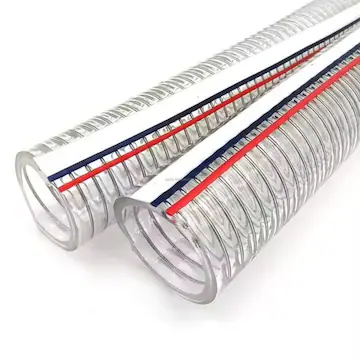
“Thunder hose assemblies”, or more commonly referred to as Thunder hose pipes or Steel Wire Reinforced PVC Hose, are a type of flexible tubing primarily made from PVC (Polyvinyl Chloride) and reinforced with a spiral steel wire embedded between the inner and outer layers.
Applications: Their versatility makes them suitable for a wide range of industries, including agriculture, construction, mining, manufacturing, and food processing. They are used for transferring liquids, conveying air and gases, and protecting wires and cables.
|
Thunder hose assemblies ( Key Features )
|
|||||||||||||||||||||||||||||||||||||||||||||||||||||||||||||||||||||||||||||||||||||||||||||||||||
|---|---|---|---|---|---|---|---|---|---|---|---|---|---|---|---|---|---|---|---|---|---|---|---|---|---|---|---|---|---|---|---|---|---|---|---|---|---|---|---|---|---|---|---|---|---|---|---|---|---|---|---|---|---|---|---|---|---|---|---|---|---|---|---|---|---|---|---|---|---|---|---|---|---|---|---|---|---|---|---|---|---|---|---|---|---|---|---|---|---|---|---|---|---|---|---|---|---|---|---|
|
Reinforcement
|
The embedded spiral steel wire provides strength and durability, preventing the hose from collapsing under high-pressure or vacuum applications.
|
||||||||||||||||||||||||||||||||||||||||||||||||||||||||||||||||||||||||||||||||||||||||||||||||||
|
Flexibility
|
Despite its strength, Thunder hoses are designed to be highly flexible, allowing for easy installation and maneuverability, and reducing the risk of kinking and restricting flow.
|
||||||||||||||||||||||||||||||||||||||||||||||||||||||||||||||||||||||||||||||||||||||||||||||||||
|
Material Composition
|
Primarily PVC, Thunder hose pipes can also be combined with other synthetic materials for specific properties like resistance to chemicals, abrasion, and weathering. Some variants are non-toxic, making them suitable for the food and beverage industry.
|
||||||||||||||||||||||||||||||||||||||||||||||||||||||||||||||||||||||||||||||||||||||||||||||||||
|
Durability and Performance
|
Thunder hoses are known for their high tensile strength, resistance to abrasion, chemicals, and temperature fluctuations, ensuring a long lifespan in demanding industrial environments.
|
||||||||||||||||||||||||||||||||||||||||||||||||||||||||||||||||||||||||||||||||||||||||||||||||||
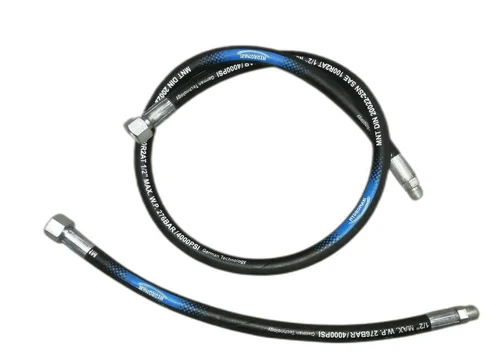
Tractor trolley hose assemblies are specifically designed for use in agricultural and construction settings, connecting tractors to trailers or other equipment. These hoses, typically made of durable materials like synthetic rubber, are used to transfer fluids like water, chemicals, or hydraulic fluid. They are designed to withstand the rigors of outdoor use and often feature fittings for easy connection.
|
TRACTOR TOLLY HOSE ASSEMBLIES ( Key Features )
|
|||||||||||||||||||||||||||||||||||||||||||||||||||||||||||||||||||||||||||||||||||||||||||||||||||
|---|---|---|---|---|---|---|---|---|---|---|---|---|---|---|---|---|---|---|---|---|---|---|---|---|---|---|---|---|---|---|---|---|---|---|---|---|---|---|---|---|---|---|---|---|---|---|---|---|---|---|---|---|---|---|---|---|---|---|---|---|---|---|---|---|---|---|---|---|---|---|---|---|---|---|---|---|---|---|---|---|---|---|---|---|---|---|---|---|---|---|---|---|---|---|---|---|---|---|---|
|
Purpose
|
These hoses are essential for various tasks involving tractors and trailers, such as loading and unloading materials, transferring fluids, and powering hydraulic systems.
|
||||||||||||||||||||||||||||||||||||||||||||||||||||||||||||||||||||||||||||||||||||||||||||||||||
|
Construction
|
They are usually made of a synthetic rubber tube, reinforced with steel wire braid for high-pressure applications.
|
||||||||||||||||||||||||||||||||||||||||||||||||||||||||||||||||||||||||||||||||||||||||||||||||||
|
Durability
|
Tractor trolley hose assemblies are designed to be weather-resistant, oil-resistant, and abrasion-resistant, making them suitable for demanding environments.
|
||||||||||||||||||||||||||||||||||||||||||||||||||||||||||||||||||||||||||||||||||||||||||||||||||
|
Applications
|
They find use in a wide range of applications, including transferring hydraulic fluids, water, and other materials in agricultural and construction settings.
|
||||||||||||||||||||||||||||||||||||||||||||||||||||||||||||||||||||||||||||||||||||||||||||||||||
|
Fittings
|
Hose assemblies may include fittings like BSP or NPT threads, allowing for secure connections to tractors, trailers, or other equipment.
|
||||||||||||||||||||||||||||||||||||||||||||||||||||||||||||||||||||||||||||||||||||||||||||||||||
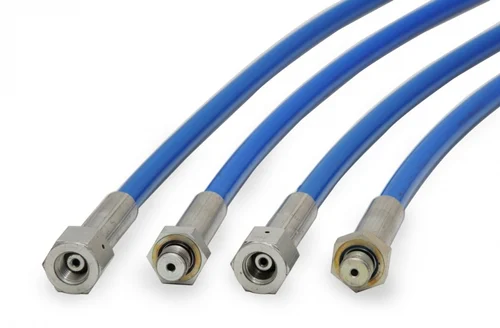
Water jetting hose assemblies, also known as lance hoses, are specialized hoses designed to withstand the high pressures and demanding conditions of water jetting and hydro-blasting applications. They are constructed with multiple layers of high-tensile steel wire or synthetic fiber reinforcement, ensuring they can handle pressures ranging from low to ultra-high (e.g., 200 bar to 4000 bar). These hoses are essential components in various industries for tasks like industrial cleaning, surface preparation, and concrete hydro demolition.
Water jetting hoses are used in a wide array of industries, including:
Industrial Cleaning: Cleaning industrial equipment, tanks, and pipelines.
Concrete Hydro Demolition: Removing damaged or deteriorated concrete.
Paint and Coating Removal: Preparing surfaces for painting or coating applications.
Surface Preparation: Cleaning and preparing surfaces for various industrial processes.
Oil and Gas: Working in refineries, petrochemical plants, and oilfields.
Marine and Shipyards: Cleaning ships, docks, and offshore structures.
Power Generation: Cleaning boilers, heat exchangers, and other equipment.
Mining and Construction: Removing scale, rust, and other deposits.
|
WATER JEETING HOSE ASEMBLIES (LANCE HOSE) ( key features )
|
|||||||||||||||||||||||||||||||||||||||||||||||||||||||||||||||||||||||||||||||||||||||||||||||||||
|---|---|---|---|---|---|---|---|---|---|---|---|---|---|---|---|---|---|---|---|---|---|---|---|---|---|---|---|---|---|---|---|---|---|---|---|---|---|---|---|---|---|---|---|---|---|---|---|---|---|---|---|---|---|---|---|---|---|---|---|---|---|---|---|---|---|---|---|---|---|---|---|---|---|---|---|---|---|---|---|---|---|---|---|---|---|---|---|---|---|---|---|---|---|---|---|---|---|---|---|
|
High Pressure Resistance
|
Water jetting hoses are engineered to withstand extreme pressures generated by water jetting machines, which can be used to clear blockages, remove debris, and clean surfaces.
|
||||||||||||||||||||||||||||||||||||||||||||||||||||||||||||||||||||||||||||||||||||||||||||||||||
|
Construction
|
Typically, these hoses feature a synthetic rubber tube, multiple layers of high tensile steel wire reinforcement, and a durable, abrasion-resistant cover.
|
||||||||||||||||||||||||||||||||||||||||||||||||||||||||||||||||||||||||||||||||||||||||||||||||||
|
Flexibility and Compactness
|
Despite their robust construction, they are designed to be relatively compact and flexible for ease of handling and maneuverability.
|
||||||||||||||||||||||||||||||||||||||||||||||||||||||||||||||||||||||||||||||||||||||||||||||||||
|
Safety
|
Water jetting hoses are designed to meet stringent safety standards, and regular inspection and maintenance are crucial for ensuring safe operation.
|
||||||||||||||||||||||||||||||||||||||||||||||||||||||||||||||||||||||||||||||||||||||||||||||||||
|
Fittings
|
The fittings used to connect the hose to the water jetting equipment must be compatible and capable of withstanding the operating pressure.
|
||||||||||||||||||||||||||||||||||||||||||||||||||||||||||||||||||||||||||||||||||||||||||||||||||
|
Material Compatibility
|
The hose material must be compatible with the fluids being used in the water jetting process, including any chemicals or cleaning agents.
|
||||||||||||||||||||||||||||||||||||||||||||||||||||||||||||||||||||||||||||||||||||||||||||||||||
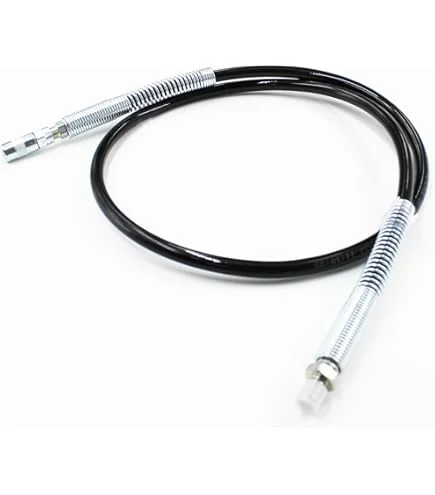
Inner Tube: Thermoplastic Elastomer
Reinforcement: Single Braid Of Synthetic Fiber.
Cover: Polyurethane, Black Colour.
Application: specially designed for diverse greasing and lubrication applications of the industrial, handheld, or automatic (centralized) Grease Distribution Equipment.